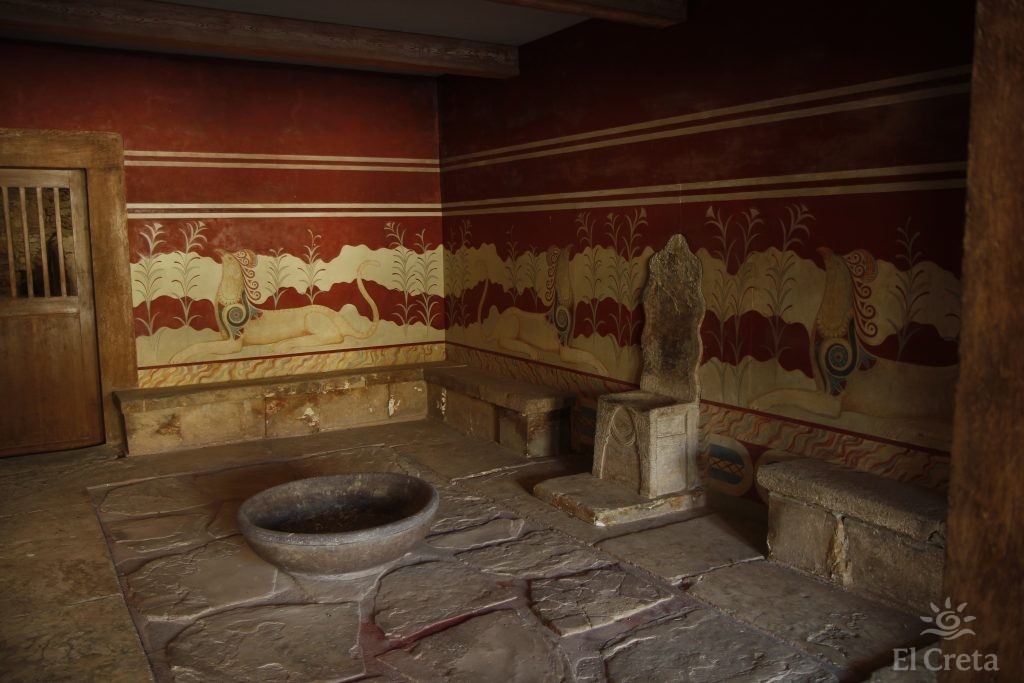
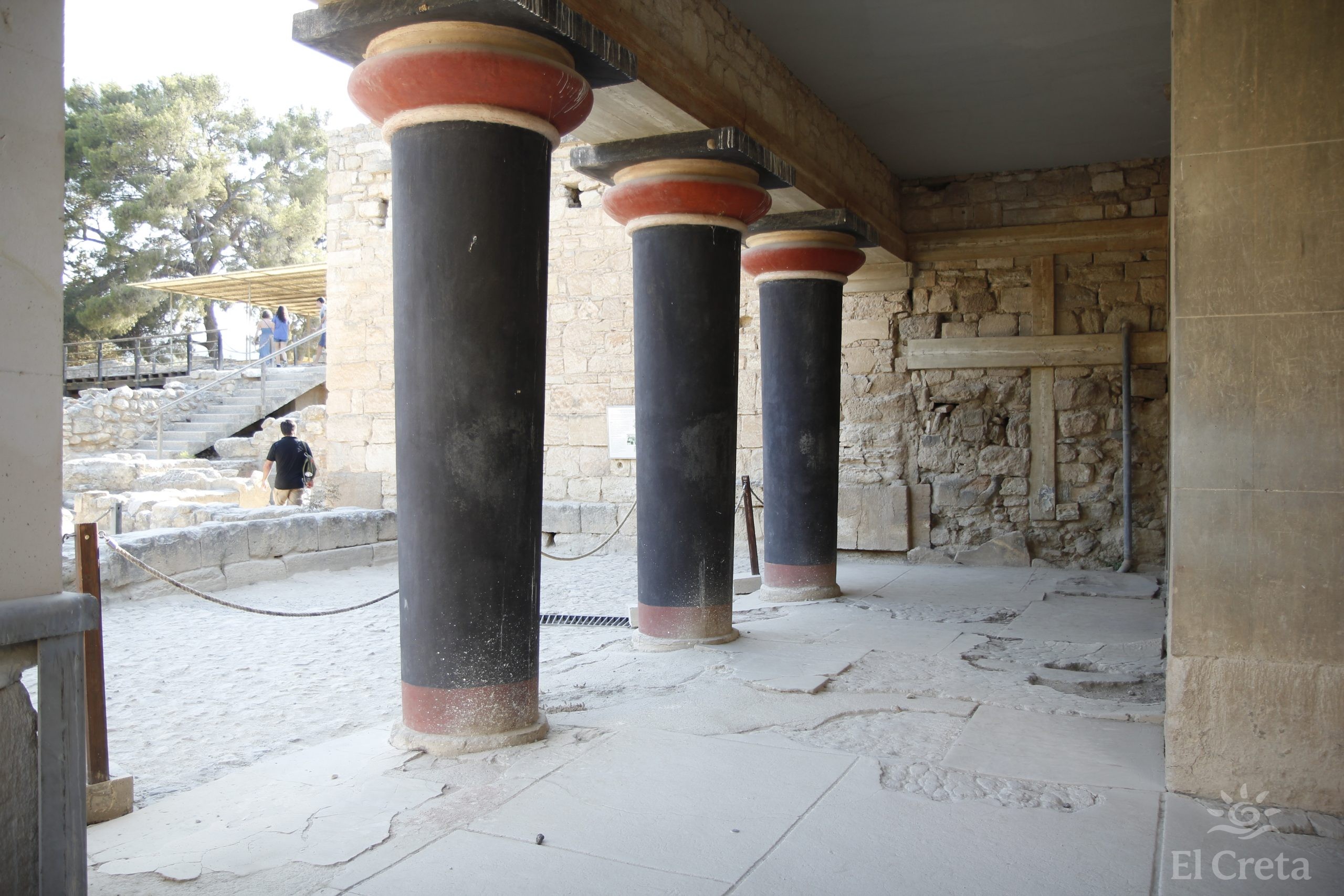
The story of Crete begins long before it became part of modern Greece. In the Bronze Age, the island nurtured the Minoan civilization, whose achievements included elaborate palaces at Knossos, Phaistos, and Malia, colourful wall paintings, early scripts, and extensive overseas trade. Crete also became the setting for enduring Greek legends, including those of King Minos and the Minotaur. Its later history brought Mycenaean influence, followed by Roman and Byzantine rule.
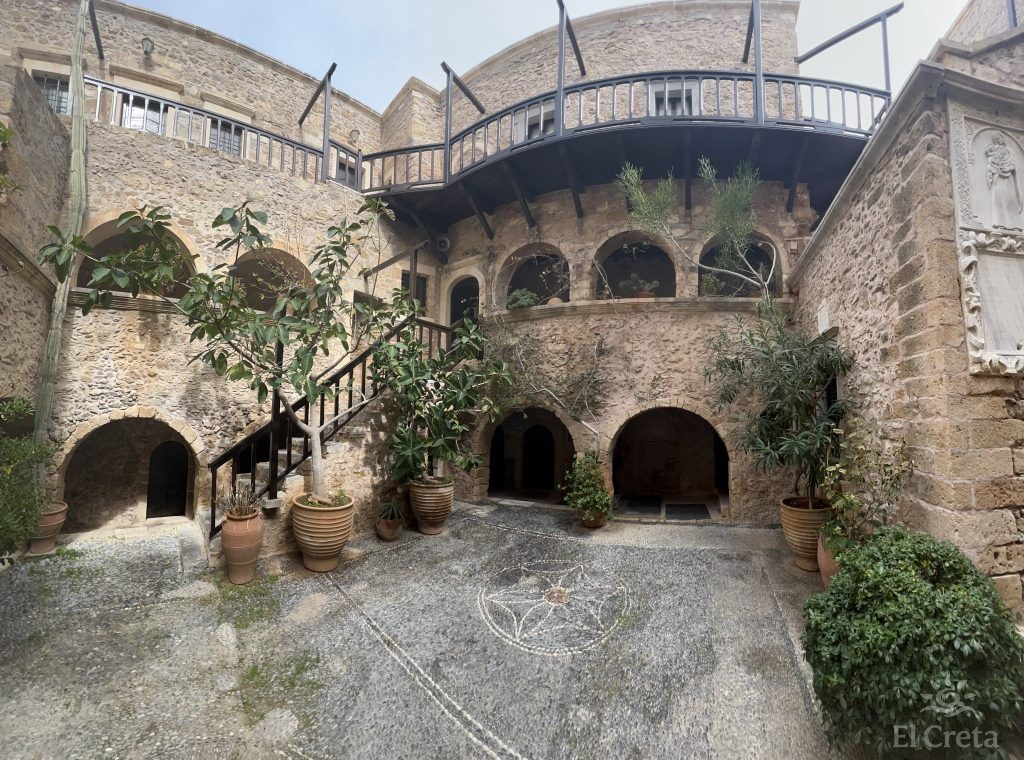
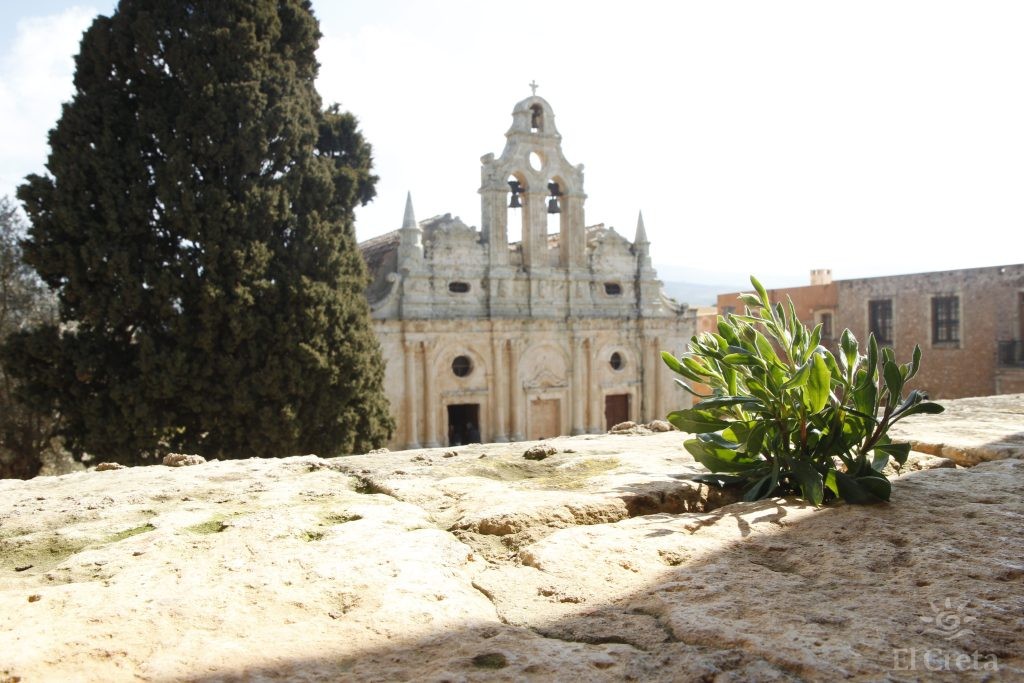
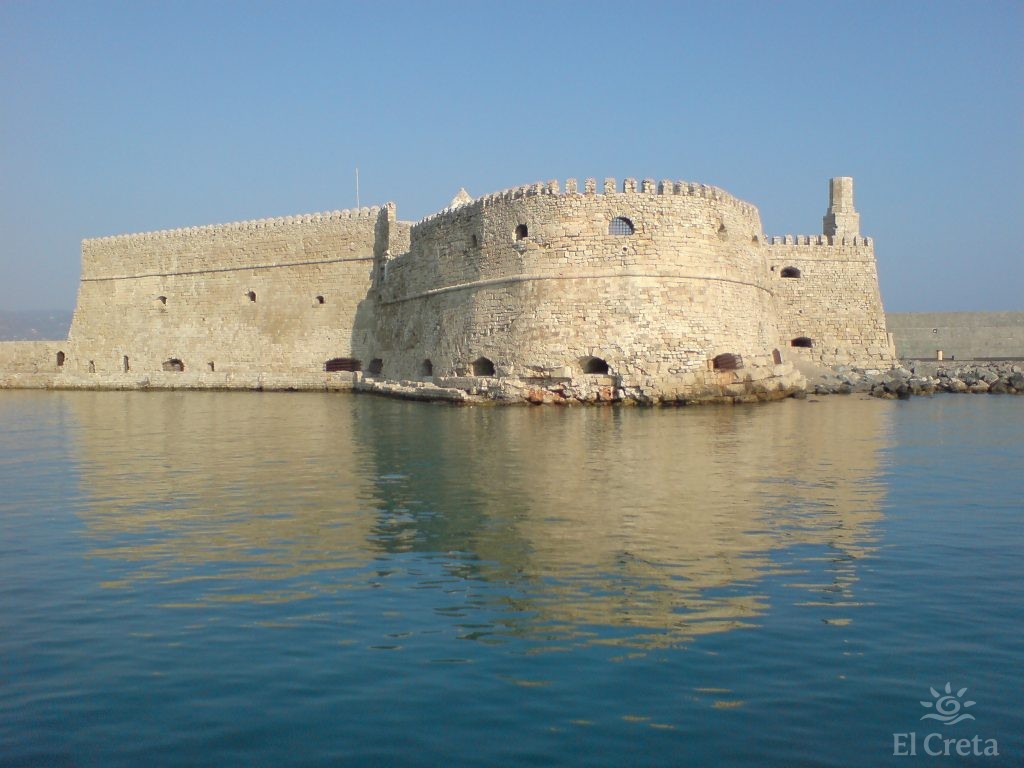
Over the centuries, Crete’s location made it valuable to competing Mediterranean powers. Arab occupation gave way to Byzantine reconquest and eventually Venetian government, which left a lasting mark on the island’s architecture, painting, and literature. This cultural flowering included El Greco’s early work and the celebrated poem Erotokritos. Ottoman conquest culminated in 1669, beginning a period marked by repeated rebellions. Crete gained autonomy in 1898 and joined Greece in 1913; during the Second World War, invasion and German occupation added another painful chapter to its history.
The island’s distinctive culture continues through customs shared in homes and communities. Traditional music features the lyra and laouto, while improvised verses called mantinades capture feelings ranging from love to sorrow and pride. Cretan food reflects local produce, with olive oil, vegetables, wild greens, pulses, cheese, and honey playing central roles. Hospitality, weddings, and village festivities bring these elements together, helping each generation maintain a connection with its heritage.